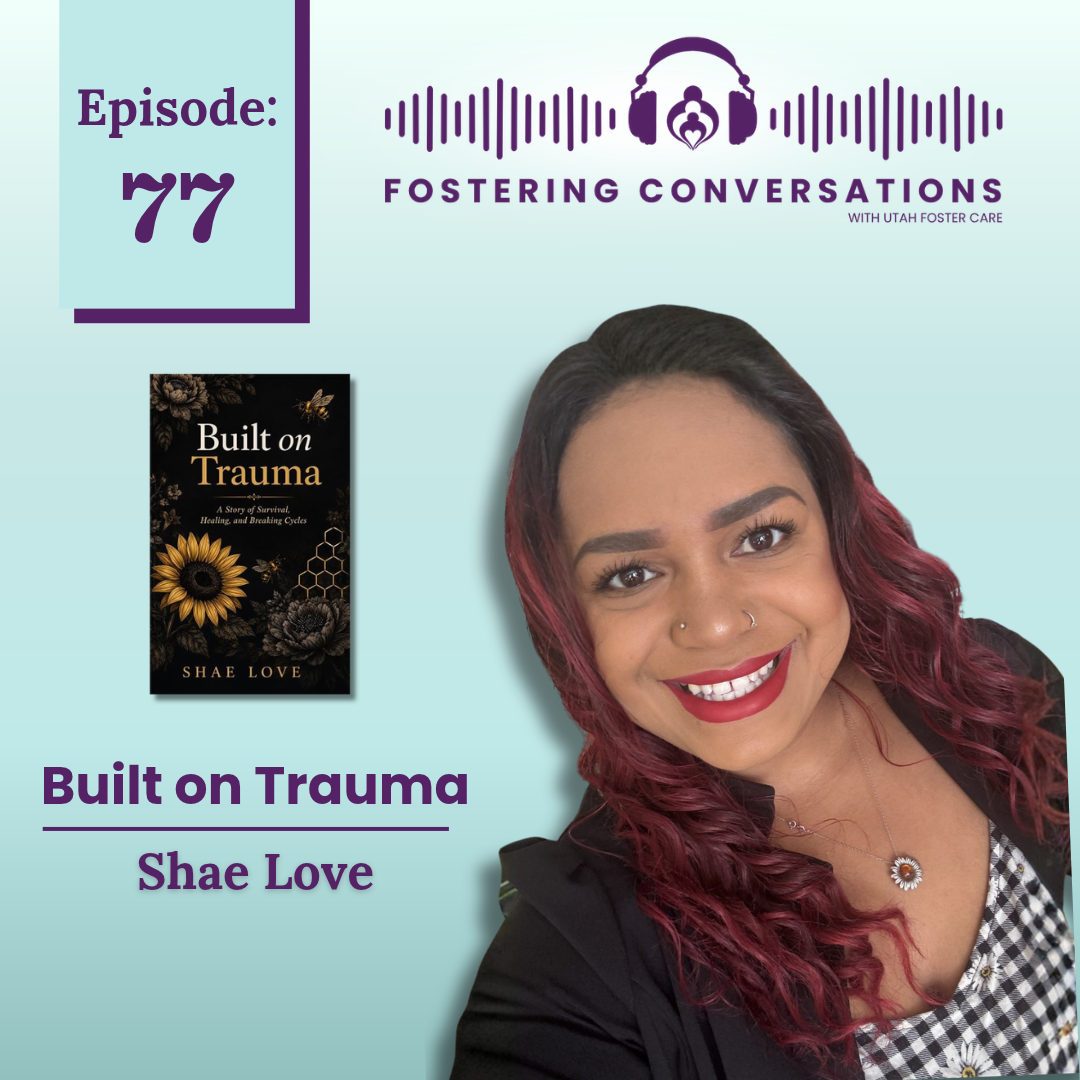
Episode 77

November 10, 2026

00:30:22

Ep 77: Built on Trauma

Hosted by

Amy Smith
Ep 77: Built on Trauma
Fostering Conversations with Utah Foster Care
Ep 77: Built on Trauma

Nov 10 2026 | 00:30:22

/

Show Notes

[vc_row type=”in_container” full_screen_row_position=”middle” column_margin=”default” column_direction=”default” column_direction_tablet=”default” column_direction_phone=”default” scene_position=”center” text_color=”dark” text_align=”left” row_border_radius=”none” row_border_radius_applies=”bg” overflow=”visible” overlay_strength=”0.3″ gradient_direction=”left_to_right” shape_divider_position=”bottom” bg_image_animation=”none”][vc_column column_padding=”no-extra-padding” column_padding_tablet=”inherit” column_padding_phone=”inherit” column_padding_position=”all” column_element_direction_desktop=”default” column_element_spacing=”default” desktop_text_alignment=”default” tablet_text_alignment=”default” phone_text_alignment=”default” background_color_opacity=”1″ background_hover_color_opacity=”1″ column_backdrop_filter=”none” column_shadow=”none” column_border_radius=”none” column_link_target=”_self” column_position=”default” gradient_direction=”left_to_right” overlay_strength=”0.3″ width=”1/1″ tablet_width_inherit=”default” animation_type=”default” bg_image_animation=”none” border_type=”simple” column_border_width=”none” column_border_style=”solid”][vc_column_text]

Episode Summary

In recognition of National Adoption Month, host Amy Smith sits down with adoptee, author, and advocate Shae Love to share her extraordinary journey through foster care, multiple adoptions, family separation, trauma, and healing. Shae opens up about entering foster care at age five, being separated from her sister, living with her adoptive grandmother, and navigating years of instability before finding permanency as a teenager. [transcript…ep77_nov26 | Word] Shae discusses the lasting impact of childhood trauma, the challenges of reunification with biological family members, and the importance of trauma-informed parenting and adoption support. She also shares how her adoptive mother helped her believe she could overcome the statistics often associated with foster care and how becoming a mother herself inspired her to break generational cycles. [transcript…ep77_nov26 | Word] Now an author and public speaker, Shae uses her experiences to advocate for children and youth impacted by foster care and adoption. Her memoir, Built on Trauma, offers a candid look at navigating trauma into adulthood and finding hope, purpose, and resilience. [transcript…ep77_nov26 | Word]

Resources & Links

  • Built on Trauma by Shae Love (Amazon): https://www.amazon.com
  • Utah Foster Care: https://www.utahfostercare.org
  • Big Brothers Big Sisters: https://www.bbbs.org
  • CASA (Court Appointed Special Advocates): https://nationalcasagal.org

Transcript

Amy: [00:00:00] On today’s episode, we’re celebrating National Adoption Month with Shae Love. She is an adoptee and author of Built on Trauma. Join us Welcome to Fostering Conversations. I’m your host, Amy Smith. Today we have Shae Love, who is the author of Built on Trauma.

Thank you so much for joining us today, Shae.

Shae: I’m so glad and honored to be here

Amy: So we are celebrating National Adoption Month, and you are an adoptee. And so would you just tell us a little bit about your story for our listeners to get a, a little insight to your life?

Shae: Yeah. So I first entered the foster care [00:01:00] system right before I turned five. I was in foster care until I was seven, and then I was adopted by my dad’s mother. So my grandmother adopted me, and I was separated from my sister at that point. And then I lived with my grandmother and my schizophrenic father for five years, and then she passed away, and I went to go live with my aunt, who had planned to adopt me, but then she sent me back into CPS custody.

Amy: Oh, wow

Shae: and then I went to a group home, and then I went to another family. The lady, she was actually my big sister from the Big Brother Big Sister

Amy: Oh, wow. Yeah

Shae: so she decided to pull me out, and she was going to adopt me. But it, that lasted less than a year, and she also sent me back to CPS. And then I got adopted again at 13

Amy: Okay. And is that your family?[00:02:00]

Shae: Yes it’s very complicated. I don’t have a relationship with my adopted dad. But I do have a relationship with my adopted mom, and slowly trying to build one with my brothers. So it’s complicated, but yes, at the end of the day, she is my mother

Amy: Yeah. Okay. Yeah, that, that is quite a childhood experience. I think your book title says it exactly, Built on Trauma. That is a lot of trauma. So tell us a little bit about this first, when you first entered foster care. You said you were five, you were young, so I’m not sure how much you remember or don’t remember, but what are those moments like or what are those moments of, you know, being separated from your sister at the time?

What are some of those memories that you have?

Shae: So when we were getting separated, I didn’t understand. So when we were first placed in the foster home, we would get calls from our [00:03:00] mother. And I remember fighting over the phone who’s gonna talk to mom first. Now in my CPS records, it states that we were doing visits with her, but I don’t remember any visits, just phone calls.

And then that stopped, and then we started getting visits from my dad’s side of the family, ’cause we have different fathers. And they would come visit us at the house. They would bring us gifts and stuff, and then I started visiting them. It was like a couple-hour drive, so my caseworker would pick me up from the foster home and drive me to my grandmother’s house.

And I didn’t understand why my sister didn’t come with me, you know? and one day they did tell me, my caseworker told me that my grandmother was going to adopt me, but not my sister, because she was not family.

Amy: Right

Shae: And in my head, I was excited to get a- adopted, but I didn’t understand it was a separation. I didn’t understand that the visits would stop, and I wouldn’t [00:04:00] have contact with my sister.

Amy: Wow. So have you guys been able to reconnect since that time?

Shae: Yes. So we reunited when I was 18 and she was 19.

Amy: Wow. Okay. Tell us about that

Shae: It was a crazy journey. So we all actually reunited with our mom. So me and my sister, we were both in Arizona the whole time, and we were, like, five hours away from each other. Our biological mom drove from Texas, picked me up in one city, and then we drove and picked up my sister, and it was a very emotional reunion.

Amy: Yeah. Was this the first time you had really seen your biological mom and biological sister since you were five, seven years old?

Shae: My sister, yes. My mother, she had visited me when I was nine years old. But I was living with a very abusive schizophrenic father. So the [00:05:00] last memory I have of my mother from that time was watching her run away from my dad after he just beat her. And then I didn’t see her again until I was 18.

Amy: Wow. Okay. So yeah, holy cow, that is quite a reunion.

Shae: Yeah. Yeah, definitely. It was maybe we went about it the wrong way. I was in a situation where I didn’t have anywhere to go, and I was too prideful to reach out to my adopted mom for help. I was losing my apartment, so we all just made the decision. We weren’t just meeting our mom, we were gonna move c- across state to go live with her.

Amy: Oh, wow. Okay

Shae: that was a, a dark, very dark, Quickly came to realize why our mother had eight kids and didn’t raise any of them at that point. So I don’t have a relationship with my biological mother,

and [00:06:00] my relationship with my sister is a little bit rocky because she is following the path of our mother.

She has two children who are in foster care.

Um, and so we live different lives, and I want better for my children, so I don’t involve her in my life that, that much,

Amy: yeah. Yeah, that makes sense. So tell us a little bit about, you said that you were living with your schizophrenic dad and your grandmother, and then your grandmother passed away. What was that experience like before she passed away, living with her as your adoptive parent? Maybe you still called her grandma or whatever.

But how was that experience for you as a child?

Shae: Very traumatizing. My father, he was o- on drugs, he was schizophrenic, he was violent. He was really lost in reality. He… There were [00:07:00] days where he was convinced that I was a robot sent from the government to set him up he would push me away and reject me on those days. I watched him abuse my grandmother, try to rip her face off because he thought she was a gra- or a robot.

And, the first couple years were a little more stable. My dad was still there, he was still crazy. But my grandmother, I called her Nana, she worked, she took me to church, she made sure I went to school, there was food in the house, all that. But then she got sick. She got really sick, and I became her caregiver.

I

Amy: Yeah. And y- and you’re a child at this point still

Shae: Yeah. It got to the point where I didn’t have structure. I wasn’t forced to go to school. I went to school when I was hungry and needed lunch. I was always dirty, smelt like pee, my hair was always matted. People threatened people at the school threatened to call CPS, but they never did.

So it was hard losing my nana, but it’s like, where would [00:08:00] my life have gone if I stayed there? ‘Cause not only that, he wasn’t the only person. My nana allowed countless drug addicts to live with us, in and out, so there was all kinds of moods and substances going around in the house. So it j- it wasn’t a stable environment

Amy: I think what’s interesting is you said, people threatened to call CPS. Do you wish they would’ve called CPS?

Shae: I do. I do. Somebody should have spoke up, I remember there were times where the cops got called, and it’s the middle of the day and I’m supposed to be in school, and they’re arresting my dad ’cause there’s drugs in the house. But

Amy: Not paying attention that there’s a kid

Shae: Yeah. They should have stepped in and called CPS, but I don’t recall CPS ever coming to the house or to my school, the lady at the front office, “If you keep coming in late and dirty like this, we’re gonna have to call CPS.” And I don’t

remember CPS ever coming. But I do wish they did, that house was very traumatizing

Amy: That is, [00:09:00] I think that’s a really interesting insight for, to, for listeners to hear, because I think so many times, like you’re saying they threatened,” and it’s that would’ve been a gift to you. That would’ve been a lifeline for you. And we think, oh, we don’t know what’s going on behind closed doors, but sometimes it’s a lot worse going on behind closed doors than we realize.

Shae: Yeah, absolutely

Amy: yeah. Oh, I think that’s a really good insight. So tell us, once your grandmother passed away, then you went into a group home. You, it sounds like you were bounced around quite a bit.

Shae: So right before she passed away, she was in a nursing home, and my aunt, sh- I moved in with her while she was in the nursing home. And she was on life support, so they pulled the plug and she passed away, and my aunt had told me that she’s going to adopt me. And she provided me with more structure.

She made sure I went to school. She wasn’t making sure that I did my schoolwork, but she made sure I went to school, and there was food in the [00:10:00] house and stuff. But I Developed habits. I stole food. I hoarded food. I stole from her. I lied. And she was very young. We’re only 11 years apart, so I was– When I moved in with her, I was about 12, so she was,

like, 20 years old, freshly married, and had just lost her mother, and I remember the conversation. She sat me down one day, and she told me that they called CPS and that she thinks it’s in my best interest to go back into the system because she couldn’t provide me with the level of support that I needed. So I was there for another week after that conversation, and they came and picked me up from school, and all of my stuff was already packed into trash bags in the back of her truck.

And it was like they couldn’t wait to get rid of me, they dropped me off at the group home, and they did visit a couple times, and she did [00:11:00] try to explain “This decision does not mean we’re not a family,” “we just, we need better.” And today, me and my aunt, we have a wonderful relationship,

you know? Yeah we’re pretty close. Yeah, we sat down and had that conversation where I told her I was mad at her for many years. But I understood, I couldn’t imagine being 22 and just losing my mother and trying to raise a traumatized 12-year-old little girl,

Amy: yeah. Yeah, that’s a lot.

Yeah. So then tell us a little bit about when you’re then adopted by a second family

Shae: So first I do go with my big brother, sister

the Big Sister program. She takes me from the group home and she was

going to

Amy: going to adopt you. Yeah

Shae: I don’t think she Was prepared for the amount of trauma that I came with. And although she was involved with me when I lived with my nana, ’cause she was my big sister through [00:12:00] the program, I don’t think she really knew how bad it really was.

Amy: She’s seen you a few hours a week. That’s it

Shae: yeah. So she ended up sending me back to CPS, but that one was compl- I woke up one morning and she was mad over a phone. I had took her son’s phone and I was texting friends and she found it. And that morning she told her husband to take the kids and go, and she was like, “I’m gonna talk to her and then I’ll take her to school.”

And she told me, “Pack your things, but only what you came into my house with.” And she drove me to my caseworker’s office and dropped me off, said she didn’t want me anymore. So

yeah,

it was a lot. It was very confusing. And then I was with my caseworker for a few hours, and she finally found me a placement.

I went to a group home, and then I was having issues with girls in [00:13:00] that group home, so they sent me to another group home. And then that group home got full ’cause it was, like, a teen mom group home. So they sent me back to the original group home that I was in, and then that’s when my caseworker told me, you’re at the age now where you can make this decision.

We can either try to find you another family to get you adopted or you can stay in the system until you age out.” And I chose a family. So the search began and the very first family I met was the family I stuck with

Amy: Wow. Okay. That’s amazing. So this family, were they hoping to adopt?

Is that w- they were looking to adopt a teen or child and you guys were matched together essentially?

Shae: Yeah. So I don’t know if this is how it is for all of the foster systems when they’re trying to adopt out teens. But what they did is they took me and a couple other teenagers from the group home, [00:14:00] and we picked up some other people from a different group home, and we went to this building.

And they recorded us, and they asked us questions like, “What do you want in a family? Do you want a mom? Do you want a dad? Do you care if it’s just a mom? Do you care if it’s just a dad? Do you want pets? Do you want siblings?” Then they ask you about yourself, what do you like to do, what’s your favorite food, color, all that good stuff.

And then they bring all these prospective adoptive families who want to adopt teenagers, and they show them all these videos of us, and they get to pick which ones they wanna meet. And I was at the top of my mom’s list. I was number one.

Amy: Amazing

Shae: Yeah. It definitely was. And so we started the visits.

They started picking me up, and we did little outings, and then we did weekend visits. I went to their house, and slowly I just started moving my stuff in

Amy: So how was that transition? You have, at this point, been [00:15:00] severely traumatized. You’ve been rejected multiple times from families or individuals who say, “I’m gonna adopt you,” or whatnot. How did your heart allow you to open up to this family?

Shae: It took a while. It was

really, really hard. I was really excited and grateful to get adopted and to finally have structure and stability and stay in one spot and have stable parental figures. I was very excited for all of that. But there was so much confusion and doubt. Like, how long is this gonna last?

It’s only a matter of time until they send me back. But then there was other confusion because, even like when I was living with my grandmother, my mom, my biological mom would call sometimes and, she would always tell these stories like, “I have a lawyer. I’m gonna get you back. I’m gonna get all your siblings back.

We’re gonna be a family.” And I [00:16:00] always longed for my biological mother and my sister. So when I was getting adopted for the second time, it was really confusing ’cause it’s okay, is this it? Do I give up? Am I not going to reunite with my mom and my sister? Are we never gonna be a family?

I think it took about three years, but it was really hard because I didn’t have a good relationship with my adopted dad. He was very not understanding of a lot of things. He threw a lot of labels at me. I was manipulative, I was a liar and dramatic and, he was one where it’s like, if I was doing good, staying out of trouble, I got that love and affection. I was accepted.

But then he pulled back and pushed away when I got into trouble,

Amy: Which of course you’re getting into trouble. You’re a teenage girl, one, and you have immense trauma.

So those are two difficult things

Shae: So it took a while. Even in my [00:17:00] adult years, it took a while for me to get closer and open up more with my mom

Amy: Yeah. So as I always find it really fascinating to talk to adoptees and see, you’ve beat the odds. You’ve beat the odds in pretty much every sense. What do you credit that to? Do you credit it to personality, to choices, people in your life? I just always find it really fascinating, like, how did you become who you are from the really hard things that you were handed?

Shae: I would give a lot of it to my adopted mother. She definitely from early on, like she explained to me what the statistics say about me and my future and my life, and she made it very clear that doesn’t have to be true. I don’t have to be a statistic, now there have been times where I fell into those statistic categories.

There was a point in my life where I was [00:18:00] homeless, and I was, using substances. But I really stayed determined to do better, you know, after I met my adop- or my biological mother, and I saw how she was, how she treated her children, and how she had all of these children and didn’t raise any of them.

And I didn’t wanna be like that. I didn’t. I didn’t wanna be like my father on drugs and crazy and not connected to reality. I just wanted better for myself and for my life, and it’s been really hard, especially it’s been a mental battle, so it’s been hard to not go down those paths.

But

Amy: Definitely.

Shae: I think becoming a mother really helped me, because now I got a chance to do better for them

Amy: That’s awesome. So tell us a little bit about what your current life is like. Tell us about the successes that you

are experiencing and have had

Shae: So I published my book back [00:19:00] in May of this year, and since then, I’ve just been thriving, and I’ve been doing public speaking telling my story, and doing some presentations for CASA volunteers and, just really getting my foot in the door with my advocacy work.

Amy: So you’re using your traumatic past, you’re using your experience to help

Shae: Yeah, absolutely. I’m very passionate about doing that, and I love it. You know, I share my story on Facebook, or even if it’s a public speaking event, and, people thank me and relate to me, and it just, it makes my heart so happy that I’m touching people and that I’m inspiring people that I can inspire change, so

It’s been ama- an amazing journey

Amy: Yeah, I think that is, like you say, the statistics are very stacked against youth that are in foster care, age out of foster care, adopted at older ages. Like it- [00:20:00] th- they’re very stacked against th- these youth, unfortunately. But people like you are going out and showing these kids what they can do and what their potential can be, and I think that is the way that the system is gonna change,

right?

And that these kids are gonna have hope and are gonna do better and not repeat the cycle, which is so easy to do

Shae: Absolutely

Amy: So tell us a little bit about your memoir. What inspired you to write that?

Shae: Oh. Um, I feel like the biggest inspiration was constantly feeling misunderstood about my feelings and my trauma responses. And at first I just wanted to tell my story, it’s not just about my foster journey. Yes, it talks about that ’cause that is my life, right? But it talks about the trauma that I endured reuniting with my biological mother and losses, losing my son’s father being homeless, all of that.

Once it was published and I started [00:21:00] talking about it, I really realized that this, this book is for the foster community, the adoptee community, because it follows my childhood trauma into adulthood and how I navigated that, and I think that’s very important to have that perspective of a former adoptee or former foster child, how they navigated the trauma through adulthood, and how it affected them in their adulthood.

Amy: Yeah and how you’ve over… Oh, I don’t wanna say overcome because none of us ever overcome the hard things, but how you’re, giving back and being this incredible, inspirational person when you’ve come from a really hard background, I think that’s really incredible. What did your adoptive mom have to say about this memoir?

I’m

Shae: Oh my goodness. It’s funny, when I first told her I was writing the memoir, she was happy about it, but I think she was concerned about how I was going to portray her.

And she wanted [00:22:00] to read it, she wanted to read it before I published it. And I, for the longest time, was like, “No. No.

You’ll read it with everybody else,” then finally, a week

be- I think she was. And then a week before I published it, I sent it to her and I said, “Okay, look, you could read it, but this is my story, my perspective, and I’m not changing anything,” Yeah. So she read it, and I got a better response than I was expecting, she said it was really hard to read. There was a lot of stories in there that she didn’t know about that was heartbreaking to her, but overall, I think she’s very proud that I put my story out there and, she’s ordering copies of my book for her friends and her clients, and that makes me

so happy, you know? I’m like, “Okay.” I had

hoped … When I published my book, I’m like, I have a lot of anxiety and I felt like this will either make or break our relationship,

I feel like it’s broughten us closer, which I’m very happy about. I [00:23:00] really hoped it would allow her to see my side of things, you know? ‘Cause there’s a lot of things she didn’t understand, you know? Like my whole choice to go reunite with my biological mother, she, she took that personal, like I was trying to replace her or, you know, I didn’t love her, I was rejecting her love or, you know.

It w- she took it as a betrayal, you know? Um, so her reading my perspective of it, I think she has a better understanding of it

Amy: Yeah, I would think so. Yeah.

Shae: Угу

Amy: Just as a mom in general, I’m like, oh, I would love to hear my kids’ perspective from their whole childhood, but especially, I’m also an adoptive mom, especially my adopted kids, it would be so fascinating to hear their perspective and their experience, you know?

‘Cause only conversations get you so far, so I think that is pretty incredible that she gets to read about that[00:24:00]

Shae: Yeah, absolutely. Um, I, I’m glad that she read it and that she’s sharing it with her friends, you know? Um, and that they’re taking things away from it and they’re really enjoying reading the story as well, you

Amy: Yeah, Yeah, absolutely. What would you say, um, you know, since it’s National Adoption Month, what would you say to first kids/teens that are in foster care hoping to be adopted, and what would you also say to adoptive parents that are navigating, you know, the tender and hard things that their children have experienced before they came into their homes?

Shae: Um, so for the teenagers, I would definitely say not to lose hope, and your trauma does not make you unlovable

Amy: Mm-hmm. That’s awesome

Shae: And for the adoptive parents, I would say [00:25:00] before jumping into it, educate yourself. Educate yourself on the trauma that, you know, these placements can have on children. And, you know, once you do get the records and there’s diagnosis, I would say do your research and educate yourself on the diagnosis that your child has, and learn to respond with compassion instead of frustration.

I know it’s very… It’s easier said than done, but, you know, fos- children, foster children, teenage foster children need compassion and understanding.

Amy: Yeah

Shae: so I would say that, and, you know, that definitely comes from my CPS records. I was diagnosed with PTSD when I was four, and I never knew of that diagnosis, and I was never taught what that diagnosis was, what it [00:26:00] meant, how to cope with the trigger response.

None of that, you know? Wow. And I think that’s very important is if, you know, you’re bringing in a child with a documented diagnosis like that, that you really need to do your research and do what you need to do to learn how to respond and how to care for a child with those certain diagnosis.

Amy: Yeah. I think that’s huge. I mean, and think of all of the things that could have been avoided in your life if you were given the tools earlier on

Shae: Mm-hmm. Exactly. Absolutely

Amy: Yeah, that’s crazy. What would you say, um, you know, to someone like your adoptive mom who is like, “You know what? We can adopt a teen.” Like what… Obviously this is amazing information to do their research, but like should they go out there and adopt teens? Are there teens that want to be part of these families?

Like I think people get really scared of the word teenagers. [00:27:00] Like, um, but like what would you say to those families that are maybe listening and are inspired by your story and think, “Should I do that? Could I do that?” You know?

Shae: Absolutely. Um, I, I would say go for it. You know, every child, teen or not, every child deserves love. Every child deserves a family. Every child deserves understanding, and again, compassion. Um, just don’t go into it blindly. You know, I’ve had these conversations with my adopted mom where she’s like, “You know, they prepare you.

They tell you this. They tell you they’re gonna run away, they’re gonna steal, they’re gonna test your, your, you know, nerves.” And she’s like, “I knew that,” but she’s even said that she may have been a little naive, you know? She felt like, you know, well, I’m gonna give you all this love. I’m gonna give you a big nice house, and I’m not gonna give up on you, and, you know, you can have everything you [00:28:00] love and you need, and this child is just gonna love and appreciate me.

That’s often not how it works

Amy: Right. Yeah, I recall feeling the exact same way when I went to trainings. Like, “Oh, that’s crazy. They’re not gonna do that.” Same things you hear adoptive moms saying, “I have this to offer, I have this to offer,” and it’s like, nah. These kids are coming from severe trauma, severe neglect, severe rejection, and they’re not just gonna magically walk through your door and feel loved

Shae: Right. Exactly. Exactly. And physically s- physical safety is not the same thing as an emotional safety

Amy: Totally. That’s such a good point. Like, I think brains that don’t have severe trauma think that it is, There was a teen that I fostered years ago, and now she’s a mom, and we ended a little bit on bad terms, but now we’re on really great terms, and it’s so beautiful to hear your experience and just think like, somehow she forgave me, right?

Somehow she has learned to trust me now as she’s an adult and [00:29:00] know that I did love her, but it was hard, and there were situations that were difficult for us. And so I love hearing your s- perspective about, you know, all that you’ve gone through and, and just trusting people even when it has been hard.

Shae: Mm-hmm.

Amy: So that’s beautiful.

Well, thank you, seriously, for joining us, for sharing a bit of your story, um, for being so resilient, for being inspiring to all these other youth who are experiencing similar, uh, childhoods like you did. So thank you for your time.

Shae: Of course. I’m so happy that I was able to be here

Amy: Yeah. And we would love to recommend your book. It’s called Built on Trauma by Shae Love. Uh, you can get it on Amazon. Is there anywhere else, Shae, that people can get it, or is that the best option?

Shae: Ah, that is the best option.

Amy: Okay, perfect. Well, thank you so much for your time. If you wanna learn more about foster care, you can head over to www.utahfostercare.org.

Thanks for joining [00:30:00] us.

[/vc_column_text][/vc_column][/vc_row]
View Full Transcript

Episode Transcript

[00:00:00] Speaker A: On today's episode, we're celebrating National Adoption Month with Shay Love. She is an adoptee and author of Built On Trauma. Join us. This is Fostering Conversations with Utah Foster Care, where we have insightful conversations about parenting for bio foster, adopted, or blended families to better understand the experiences we all face as families foreign. Welcome to Fostering Conversations. I'm your host, Amy Smith. Today we have Shea Love, who is the author of Built on Trauma. Thank you so much for joining us today, Shay. [00:00:41] Speaker B: I'm so glad and honored to be here. [00:00:44] Speaker A: So we are celebrating National Adoption Month, and you are an adoptee, and so would you just tell us a little bit about your story for our listeners to get a little insight to your life? [00:00:57] Speaker B: Yeah. So I first entered the foster care system right before I turned 5. I was in foster care until I was 7, and then I was adopted by my dad's mother. So my grandmother adopted me, and I was separated from my sister at that point. And then I lived with my grandmother and my schizophrenic father for five years. And then she passed away, and I went to go live with my aunt who had planned to adopt me, but then she sent me back into CPS custody. [00:01:32] Speaker A: Oh, wow. [00:01:33] Speaker B: And then I went to a group home, and then I went to another family. The lady, she was actually my big sister from the Big Brother Big Sister program. [00:01:43] Speaker A: Oh. Yeah. [00:01:45] Speaker B: So she decided to pull me out, and she was going to adopt me, me. But that lasted less than a year, and she also sent me back to CPS, and then I got adopted again at 13. [00:01:56] Speaker A: Okay. And is that your family? [00:02:01] Speaker B: Yes. It's very complicated. I don't have a relationship with my adopted dad, but I do have a relationship with my adopted mom and slowly trying to build one with my brothers. So it's complicated. But yes, at the end of the day, she is my mother. [00:02:19] Speaker A: Yeah. Okay. Yeah. That. That is quite a childhood experience. I think your book title says it exactly. Built on Trauma. That is a lot of trauma. So tell us a little bit about this first. When you first entered foster care, you said you were five, you were young, so I'm not sure how much you remember or don't remember, but what are those moments like? Or what are those moments of, know, being separated from your sister at the time? What are some of those memories that you have? [00:02:47] Speaker B: So when we were getting separated, I didn't understand. So when we were first placed in the foster home, we would get calls from our mother, and I remember fighting over the phone. Who's going to talk to mom first. Now, in my CPS records, it states that we were doing visits with her, but I don't remember any visits. Just phone calls. [00:03:11] Speaker A: Okay. [00:03:11] Speaker B: And then that stopped. And then we started getting visits from my dad's side of the family, because we have different fathers. [00:03:20] Speaker A: Okay. [00:03:20] Speaker B: And they would come visit us at the house. They would bring us gifts and stuff. And then, [00:03:25] Speaker A: yeah, [00:03:25] Speaker B: I started visiting them. It was like a couple hour drive. So my caseworker would pick me up from the foster home and drive me to my grandmother's house. And I didn't understand why my sister didn't come with me, you know? And one day they did tell me. My caseworker told me that my grandmother was going to adopt me, but not my sister, because she was not family. [00:03:50] Speaker A: Right. [00:03:51] Speaker B: And in my head, I was excited to get adopted, but I didn't understand it was a separation. I didn't understand that the visits would stop and I wouldn't have contact with my sister. [00:04:02] Speaker A: Wow. So have you guys been able to reconnect since that time? [00:04:07] Speaker B: Yes. So we reunited when I was 18 and she was 19. [00:04:13] Speaker A: Wow. Okay, tell us about that. [00:04:16] Speaker B: It was a crazy journey. So we all actually reunited with our mom. So. [00:04:23] Speaker A: Wow. [00:04:23] Speaker B: Me and my sister, we were both in Arizona the whole time, and we were, like, five hours away from each other. Our biological mom drove from Texas, picked me up in one city, and then we drove and picked up my sister. And it was a very emotional reunion. [00:04:41] Speaker A: Was this the first time you had really seen your biological mom and biological sister since you were 5, 7 years old? [00:04:48] Speaker B: My sister, yes. My mother, she had visited me when I was nine years old, but I was living with a very abusive, schizophrenic father. So the last memory I have of my mother from that time was watching her run away from my dad after he just beat her. And then I didn't see her again until I was 18. Wow. [00:05:11] Speaker A: Okay. So, yeah. Holy cow. That is quite a reunion. [00:05:15] Speaker B: Yeah, yeah, definitely. It was. Maybe we went about it the wrong way. I was in a situation where I didn't have anywhere to go, and I was too prideful to reach out to my adopted mom for help. I was using my apartment. So we all just made the decision. We weren't just meeting our mom. We were going to move across state to go live with her. [00:05:38] Speaker A: Oh, wow. Okay. [00:05:39] Speaker B: And that was a dark. Very dark. Quickly came to realize why our mother had eight kids and didn't raise any of them at that point. So I don't have a relationship with my biological mother. And my relationship with my sister is a little bit rocky because she is following the path of our mother. She has two children who are in foster care, and so we live different lives. And I want better for my children, so I don't involve her in my life that much. [00:06:23] Speaker A: Yeah. Yeah, that makes sense. So tell us a little bit about. You said that you were living with your schizophrenic dad and your grandmother, and then your grandmother passed away. What was that experience like before she passed away? Living with her as your adoptive parent, maybe you still called her grandma or whatever, but how was that experience for you as a child? [00:06:46] Speaker B: Very traumatizing. My father, he was on drugs. He was schizophrenic. He was violent. He was really lost in reality. He. There were days where he was convinced that I was a robot sent from the government to set him up. He would push me away and reject me. On those days, I watched him abuse my grandmother, try to rip her face off because he thought she was a grat or a robot. And the first couple years were a little more stable. My dad was still there. He was still crazy. But my grandmother, I called her Nana. She worked, she took me to church, she made sure I went to school. There was food in the house, all that. But then she got sick. She got really sick. And I became her caregiver. I helped bathe her. [00:07:34] Speaker A: And you're a child at this point still? [00:07:37] Speaker B: Yeah. It got to the point where I didn't have structure. I wasn't forced to go to school. I went to school when I was hungry and needed lunch. I was always dirty, smelled like pee. My hair was always matted. People threatened. People at the school threatened to call cps, but they never did. So it was hard losing my Nana. But it's like, where would my life have gone if I stayed there? Because not only that, he wasn't the only person. My Nana allowed countless drug addicts to live with us, in and out. So there was all kinds of moods and substances going around in the house. So it wasn't a stable environment. [00:08:16] Speaker A: I think what's interesting is you said people threatened to call cps. Do you wish they would have called cps? [00:08:23] Speaker B: I do. I do. Somebody should have spoke up. I remember there were times where the cops got called, and it's the middle of the day and I'm supposed to be in school, and they're arresting my dad because there's drugs in the house, but [00:08:38] Speaker A: not paying attention that there's a kid here. [00:08:40] Speaker B: Yeah, they should have stepped in and called cps. But I don't recall CPS ever coming to the house or to my school. The lady at the front office, if you keep coming in late and dirty like this, we're going to have to call cps. And I don't [00:08:53] Speaker A: remember [00:08:53] Speaker B: CPS ever coming, but I do wish they did. That house was very traumatizing. [00:08:59] Speaker A: That is. I think that's a really interesting insight for. To. For listeners to hear, because I think so many times, like you're saying they threatened and it's. That would have been a gift to you. That would have been a lifeline for you. And we think, oh, we don't know what's going on behind closed doors, but sometimes it's a lot worse going on behind closed doors than we realize. [00:09:20] Speaker B: Yeah, absolutely. [00:09:22] Speaker A: Yeah. Oh, I think that's a really good insight. So tell us, once your grandmother passed away, then you went into a group home. It sounds like you were bounced around quite a bit. [00:09:31] Speaker B: So right before she passed away, she was in a nursing home. And my aunt. I moved in with her while she was in the nursing home, and she was on life support. So they pulled the plug as she passed away. And my aunt had told me that she was going to adopt me. And she provided me with more structure. She made sure I went to school. She wasn't making sure that I did my school work, but she made sure I [00:09:57] Speaker A: went to [00:09:57] Speaker B: school when there was food in the house and stuff. But I developed habits. I stole food. I hoarded food. I stole from her. I lied. And she was very young. We're only 11 years apart. So I was. When I moved in with her, I was about 12. So she was like 20 years old, freshly married, and had just lost her mother. And I remember the conversation. She sat me down one day and she told me that they called CPS and that she thinks it's in my best interest to go back into the system because she couldn't provide me with the level of support that I needed. So I was there for another week after that conversation, and they came and picked me up from school, and all of my stuff was already packed into trash bags in the back of her truck. And it was like they couldn't wait to get rid of me. They dropped me off at the group home, and they did visit a couple times. And she did try to explain, this decision does not mean we're not family. You just. We need butter. And today, me and my aunt, we have a wonderful relationship, you know? Yeah, we're pretty close. Yeah. We sat down and had that conversation. Where I told her I was mad at her for many years, but I understood. I couldn't imagine being 22 and just losing my mother and trying to raise a traumatized 12 year old little girl. [00:11:25] Speaker A: Yeah. Yeah. That's a lot. Yeah. So then tell us a little bit about when you're then adopted by a second family. [00:11:34] Speaker B: So first I do go with my big brother, our big sister program. She takes me from the group home and she was going [00:11:43] Speaker A: to. She's going to adopt you? Yeah. [00:11:45] Speaker B: Yes. I don't think she was prepared for the amount of trauma that I came with. And although she was involved with me when I lived with my nana because she was my big sister through the program, I don't think she really knew how bad it really was. [00:12:04] Speaker A: She's seen you a few hours a week. That's it [00:12:06] Speaker B: exactly. Yeah. So she ended up sending me back to cps. But that one was. I woke up one morning and she was mad over a phone. I had took her son's phone and I was texting friends and she found it. And that morning she told her husband to take the kids and go. And she was like, I'm gonna talk to her and then I'll take her to school. And she told me, pack your things, but only what you came into my house with. And she drove me to my caseworker's office and dropped me off. So she didn't want me anymore. So, yeah, it was a lot. It was very confusing. And then I was with my caseworker for a few hours and she finally found me a placement. I went to a group home and then I was having issues with girls in that group home, so they sent me to another group home. And then that group home got full because it was like a teen mom group home. So they sent me back to the original group home that I was in. And then that's when my caseworker told me, you're at the age now where you can make this decision. We could either try to find you another family to get you adopted or you could stay in the system until you age out. And I chose a family. So the search began. And the very first family I met was the first family I stuck with. [00:13:29] Speaker A: Wow. Okay. That's amazing. So this family, were they hoping to adopt, is that. [00:13:37] Speaker B: Yes, [00:13:38] Speaker A: they were looking to adopt a teen or child. And you guys were matched together? Essentially, [00:13:45] Speaker B: yeah. So I don't know if this is how it is for all of the foster systems when they're trying to adopt out teens, but what they did is they Took me and a couple other teenagers from the group home, and we picked up some other people from a different group home, and we went to this building and they recorded us, and they asked us questions like, what do you want in a family? Do you want a mom? Do you want a dad? Do you care if it's just a mom? Do you care if it's just a dad? Do you want pets? Do you want siblings? Then they ask you about yourself. What do you like to do? What's your favorite fruit color, all that good stuff. And then they bring all these prospective adoptive families who want to adopt teenagers, and they show them all these videos of us, and they get to pick which ones they want to meet. And I was at the top of my mom's list. That was number one. [00:14:37] Speaker A: It's amazing. [00:14:38] Speaker B: Yeah. Yeah, it definitely was. And so we started the visits. They started picking me up, and we did little outings, and then we did weekend visits. I went to the house, and slowly I just started moving my stuff in. [00:14:53] Speaker A: So how was that transition? You have, at this point, been severely traumatized. You've been rejected multiple times from families or individuals who say, I'm going to adopt you or whatnot. How did your heart allow you to open up to this family? [00:15:17] Speaker B: It took a while. It was really, really hard. I was really excited and grateful to get adopted and to finally have structure and stability and stay in one spot and have stable parental figures. I was very excited for all of that. But there was so much confusion and doubt, like, I, how long is this going to last? It's only a matter of time until they're sending back. But then there was other confusion, because even, like, when I was living with my grandmother, my mom, my biological mom would call sometimes, and she would always tell these stories like, I have a lawyer. I'm going to get you back. I'm going to get all your siblings back. We're going to be a family. And I always longed for my biological mother and my sister. So when I was getting adopted for the second time, it was really confusing because it's okay. Is this [00:16:10] Speaker A: it? [00:16:10] Speaker B: Do I give up? Am I not going to reunite with my mom and my sister? Are we never going to be a family? I think it took about three years, but it was really hard because I didn't have a good relationship with my adopted dad. He was very not understanding of a lot of things. He threw a lot of labels at me. I was manipulative. I was a liar and dramatic. And he was one where it's like, if I Was doing good, staying out of trouble. I got that love and affection. I was accepted. But then he pulled back and pushed away when I got into trouble. [00:16:47] Speaker A: Which, of course you're getting into trouble. You're a teenage girl one, and you have immense trauma. So those are two difficult things. [00:16:56] Speaker B: Right. So it took a while, even in my adult years, it took a while for me to get closer and open up more with my mom. [00:17:05] Speaker A: Yeah. So as I always find it really fascinating to talk to adoptees and see you've beat the odds. You've beat the odds in pretty much every sense. What do you credit that to? Do you credit it to personality, to choices, people in your life? I just always find it really fascinating, like, how did you become who you are from the really hard things that you were handed? [00:17:33] Speaker B: I would give a lot of it to my adopted mother. She definitely from early on, like, she explained to me what the statistics say about me and my future in my life, and she made it very clear that doesn't have to be true. They don't have to be a statistic now. They're have been times where I fell into those statistic categories. There was a point in my life where I was homeless and I was using substances, but I really stayed determined to do better. You know, after I met my adopt or my biological mother and I saw how she was, how she treated her children and how she had all of these children and didn't raise any of them. And I. I didn't want to be like that. I didn't. I didn't want to be like my father on drugs and crazy and not connected to reality. I just wanted better for myself and for my life. And it's been really hard, especially it's been a mental battle. So it's been hard to not go down those paths. But I think becoming a mother really helped me because now I got it chance to do better for them. [00:18:46] Speaker A: That's awesome. So tell us a little bit about what your current life is like. Tell us about the successes that you are experiencing and have had. [00:18:55] Speaker B: So I published my book back in May of this year, and since then I've just been thriving and I've been doing public speaking, telling my story and doing some presentations for CASA volunteers and just really getting my foot in the door with my advocacy work. [00:19:21] Speaker A: So you're using your traumatic past, you're using your experience to help others? [00:19:27] Speaker B: Yeah, absolutely. I'm very passionate about doing that. I love it. You know, I share my story on Facebook or even if it's a public speaking event, and people thank me and relate to me, and it just. It makes my heart so happy that I'm touching people and that I'm inspiring people that I can inspire change. So it's been an amazing journey. [00:19:49] Speaker A: Yeah. I think that is, like you say, the statistics are very stacked against youth that are in foster care, age out of foster care, adopted at older ages. Like it. They're very stacked against these youth, unfortunately. But people like you are going out and showing these kids what they can do and what their potential can be. And I think that is the way that the system is going to change. Right. And that these kids are going to have hope and are going to do better and not repeat the cycle, which is so easy to do [00:20:19] Speaker B: with. Absolutely. [00:20:20] Speaker A: So tell us a little bit about your memoir. What inspired you to write that? [00:20:25] Speaker B: Oh, I feel like the biggest inspiration was constantly feeling misunderstood about my feelings and my trauma responses. And at first, I just wanted to tell my story. It's not just about my foster journey. Yes, it talks about that because that is my life. Right. But it talks about the trauma that I endured, reuniting with my biological mother and losses, losing my son's father, being homeless, all of that. Once it was published and I started talking about it, I really realized that this. This book is for the foster community, the adoptee community, because it follows my childhood trauma into adulthood and how I navigated that. And I think that's very important to have that perspective of a former adoptee or former foster child, how they navigated the trauma through adulthood and how it affected them in their adulthood. [00:21:26] Speaker A: Yeah. And how you've over. I don't want to say overcome, because none of us ever overcome the hard things, but how you're giving back and being this incredible inspirational person when you've come from a really hard background, I think that's really incredible. What did your adoptive mom have to say about this memoir? Oh, [00:21:46] Speaker B: my goodness. It's funny. When I first told her I was writing the memoir, she was happy about it, but I think she was concerned about how I was going to betray her. And [00:21:57] Speaker A: totally, [00:21:58] Speaker B: she wanted to read. She wanted to read it before I published it. And I, for the longest time, was like, no, no, you'll read it with everybody else. And then finally, a week. [00:22:09] Speaker A: She's terrified. [00:22:10] Speaker B: She was. And then a week before I published it, I sent it to her and I said, okay, look, you could read [00:22:18] Speaker A: it, [00:22:18] Speaker B: but this is my story, my. My perspective, and I'm not changing anything. [00:22:22] Speaker A: Yeah, it is what it is. [00:22:23] Speaker B: So she read it, and I got a better response than I was expecting. She said it was really hard to read. There was a lot of stories in there that she didn't know about that was heartbreaking to her. But overall, I think she was very proud that I put my story out there. And she's ordering copies of my book for her friends and her clients. And that makes, you know, okay. I had hope. [00:22:47] Speaker A: That's amazing. [00:22:48] Speaker B: When I published my book, I'm like, I have a lot of anxiety, and I feel like this will either make or break our relationship. I feel like it's brought in us closer, which I'm very happy about. I really hope it would allow her to see my side of things, you know, because there's a lot of things she didn't understand. You know, like my whole choice to go reunite with my biological mother. She. She took that personal, like I was trying to replace her, or, you know, I didn't love her, I was rejecting her love, or, you know, she took it as a betrayal. [00:23:25] Speaker A: Yeah. [00:23:26] Speaker B: You know, so her reading, my perspective of it, I think she has a better understanding of it. [00:23:36] Speaker A: Yeah, I would think so. Yeah. Just as a mom in general, I'm like, oh, I would love to hear my kids perspective from their whole childhood, but especially I'm also an adoptive mom, especially my adopted kids. It would be so fascinating to hear their perspective and their experience, you know, because only conversations get you so far. So I think that is pretty incredible that she gets to read about that. [00:24:00] Speaker B: Yeah, absolutely. I'm glad that she read it and that she's sharing it with her friends, you know? [00:24:10] Speaker A: Yeah. [00:24:11] Speaker B: And that they're taking things away from it and they're really enjoying reading the story as well, you know? [00:24:17] Speaker A: Yeah, absolutely. What would you say, you know, since it's National Adoption Month, what would you say to first kids slash teens that are in foster care hoping to be adopted? And what would you also say to adoptive parents that are navigating, you know, the tender and hard things that their children have experienced before they came into their homes? [00:24:44] Speaker B: So for the teenagers, I would definitely say not to lose hope, and your trauma does not make you unlovable. [00:24:53] Speaker A: That's awesome. [00:24:55] Speaker B: And for the adoptive parents, I would say, before jumping into it, educate yourself. Educate yourself on the trauma that, you know, these placements can have on children. And, you know, once you do get the records and there's diagnosis, I would say do your research and educate yourself on the diagnosis that your child has and learn to respond with compassion instead of frustration. I know it's very. It's Easier said than done, right? You know, children, foster children, teenage foster children, need compassion and understanding. [00:25:40] Speaker A: Yeah. [00:25:42] Speaker B: So I would say that. And, you know, that definitely comes from my CPS records. I was diagnosed with PTSD when I was 4, [00:25:52] Speaker A: and I [00:25:52] Speaker B: never knew of that diagnosis, and I was never taught what that diagnosis was, what it meant, how to cope with the trigger response. None of that, [00:26:04] Speaker A: you know. Yeah. [00:26:05] Speaker B: And I think that's very important is if, you know, you're bringing in a child with a documented diagnosis like that, that you really need to do your research and do what you need to do to learn how to respond and how to care for a child with those certain diagnosis. [00:26:24] Speaker A: Yeah, I think that's huge. I mean, and think of all of the things that could have been avoided in your life if you were given the tools earlier on. [00:26:34] Speaker B: Exactly. Absolutely. [00:26:35] Speaker A: Yeah. That's crazy. What would you say, you know, to someone like your adoptive mom who is like, you know what? We can adopt a teen. Like, what? Obviously, this is amazing information to do their research, but, like, should they go out there and adopt teens? Are there teens that want to be part of these families? Like, I think people get really scared of the word teenagers. Like, [00:27:00] Speaker B: yeah, [00:27:01] Speaker A: but, like, what would you say to those families that are maybe listening and are inspired by your story and think, should I do that? Could I do that? You know, [00:27:10] Speaker B: absolutely. I. I would say go for it. You know, every child, teen or not, every child deserves love. Every child deserves a family. Every child deserves understanding and again, compassion. Just don't go into it blindly. [00:27:31] Speaker A: You [00:27:32] Speaker B: know, I've had these conversations with my adoptive mom where she's like, you know, they prepare you, they tell you this, they tell you they're going to run away, they're going to steal, they're going to test your. Your, you know, nerves. And she's like, I knew that. But she's even said that she may have been a little naive. You know, she felt like, you know, well, I'm going to give you all this love. I'm going to give you a big, nice house, and I'm not going to give up on you. And, you know, you can have everything you love and you need, and this child is just going to love and appreciate me. That's often not how it works. [00:28:06] Speaker A: Right? Yeah. I recall feeling the exact same way when I went to trainings. Like, oh, that's crazy. They're not going to do that same things. Your adoptive mom saying, I have this to offer, I have this to offer. And it's like, no, these kids are Coming from severe trauma, severe neglect, severe rejection. And they're not just going to magically walk through your door and feel loved, [00:28:26] Speaker B: Right? Exactly. Exactly. And physically, physical safety is not the same thing as an emotional thing. [00:28:34] Speaker A: Totally. That's such a good point. Like, I think brains that don't have severe trauma think that it is. There was a teen that I fostered years ago, and now she's a mom. And we ended a little bit on bad terms, but now we're on really great terms. And it's so beautiful to hear your experience and just think, like, somehow she forgave me, right? Somehow she has learned to trust me now as she's an adult and know that I did love her. But it was hard and there were situations that were difficult for us. And so I love hearing your perspective about, you know, all that you've gone through and. And just trusting people even when it has been hard. So that's beautiful. Well, thank you, seriously, for joining us, for sharing a bit of your story, for being so resilient, for being inspiring to all these other youth who are experiencing similar childhoods like you did. So thank you for your time. [00:29:33] Speaker B: Of course. I'm so happy that I was able to be here. [00:29:36] Speaker A: Yeah. And we would love to recommend your book. It's called Built on Trauma by Shay Love. You can get it on Amazon. Is there anywhere else, Shay, that people can get it, or is that the best option? [00:29:46] Speaker B: That is the best option. Okay, [00:29:48] Speaker A: perfect. Well, thank you so much for your time. If you wanna learn more about foster care, you can head over to www.utahfostercare.org. thanks for joining us. This has been Fostering Conversations with Utah Foster Care. Thank you for joining us. For more information, go to www.utahfostercare.org. we'll see you next time.

Other Episodes